Walk In Closet Ideas for Stylish Home Organization
Introduction
A walk in closets can transform an ordinary bedroom into a more organized, functional, and stylish living space. Unlike a traditional wardrobe or reach-in closet, a walk-in design provides enough room to enter the storage area, making it easier to organize clothing, shoes, accessories, and personal belongings.
Modern homeowners increasingly view closets as more than simple storage areas. With thoughtful planning, a walk-in closet can become a dedicated dressing space that combines practical storage with attractive design. From custom shelving and drawers to mirrors, lighting, and seating, there are many ways to create a space that reflects individual needs.
Benefits of a Walk In Closet
One of the primary benefits of a walk-in closet is additional storage capacity. Instead of relying on a single wardrobe, homeowners can use multiple walls for hanging rails, shelves, drawers, and cabinets.
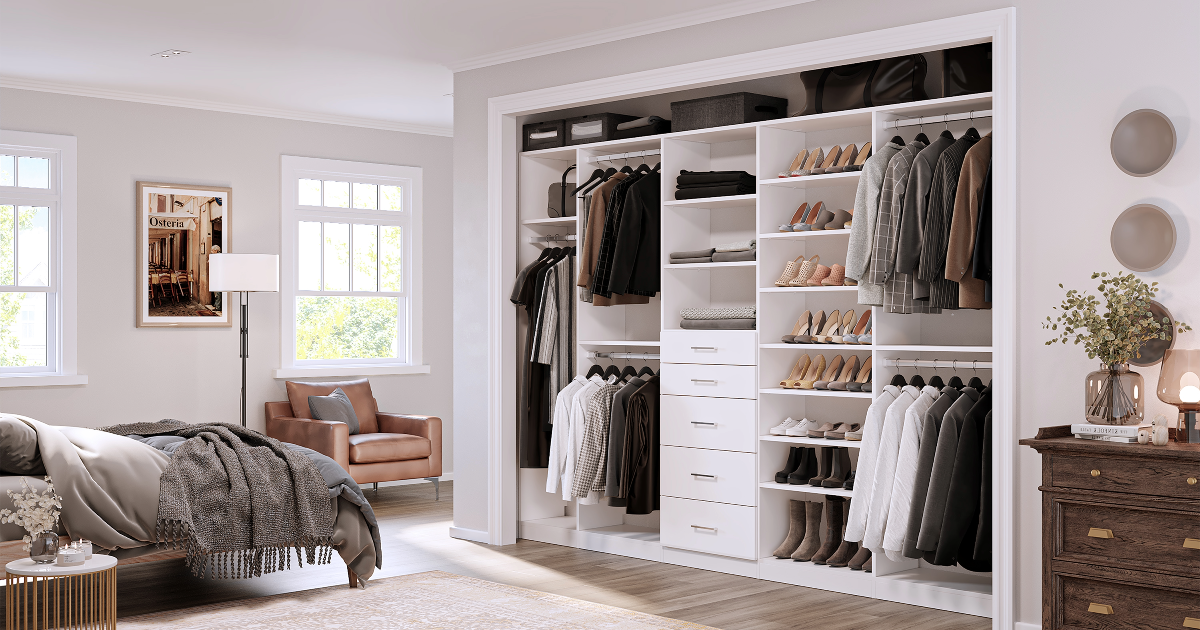
Reach-in closets offer a practical storage solution, maximizing available space with shelves, hanging areas, drawers, and organizers while keeping clothing, accessories, shoes, and everyday essentials neatly arranged.
A well-designed closet can provide:
- More clothing storage
- Better organization
- Dedicated shoe space
- Accessory storage
- Easier outfit selection
- Reduced bedroom clutter
- Improved use of available space
The additional room can also make it easier to separate everyday clothing from seasonal or occasional items.
Planning the Layout
Before choosing cabinets and shelves, carefully measure the available area. Consider the location of doors, windows, electrical outlets, and other architectural features.
Think about how you currently store clothing and what problems you want the new closet to solve.
For example, if you have many hanging garments, prioritize hanging rails. If you own more folded clothing, shelving and drawers may be more important.
A good layout should provide easy movement through the closet while keeping frequently used items accessible.
Hanging Storage
Hanging space is one of the most important elements of a walk-in closet.
Different sections can be created for shirts, jackets, trousers, dresses, and coats. Double hanging rails can make efficient use of vertical space for shorter garments.
Longer garments require additional vertical clearance, so plan these areas carefully.
Organizing clothing by type, season, or color can also make selecting outfits faster.
Shelving and Drawers
Open shelving provides excellent visibility. Folded clothing, handbags, boxes, and accessories can be arranged neatly without being hidden behind cabinet doors.
Drawers are useful for smaller items such as socks, underwear, ties, belts, and jewelry.
A combination of open shelving and drawers creates a flexible storage system.
Adjustable shelves are particularly useful because storage requirements may change over time.
Shoe Organization
Shoes can quickly become difficult to manage without dedicated storage.
A walk-in closet provides the opportunity to create a specific shoe area using shelves, cubbies, drawers, or pull-out racks.
Frequently worn shoes should be stored at an easy-to-reach height. Seasonal or rarely used footwear can be placed on higher shelves.
Keeping shoes organized also helps protect them from being damaged by being piled together.
Accessory Storage
Small accessories can be difficult to organize because they are easy to lose among larger items.
Consider adding dedicated storage for:
- Watches
- Jewelry
- Belts
- Ties
- Scarves
- Sunglasses
- Handbags
Drawer dividers and small compartments can keep these items separated.
Hooks and specialized racks can also provide convenient access to frequently used accessories.
Choosing Closet Materials
The materials used in a walk-in closet influence its appearance, durability, and maintenance requirements.
Popular options include engineered wood, laminate, MDF, wood veneer, glass, and metal.
Natural wood finishes can provide warmth and a traditional appearance. White or neutral cabinetry can create a clean, modern look.
Glass doors and panels can add a contemporary feel while allowing users to see stored belongings.
Lighting for a Walk In Closet
Lighting is an important part of closet design. Even a beautifully organized closet can be frustrating if it is poorly illuminated.
Consider combining ceiling lights with LED strips beneath shelves or inside cabinets.
Motion-activated lighting can provide additional convenience by switching on automatically when someone enters.
Good lighting also helps homeowners distinguish clothing colors more accurately.
Adding a Full-Length Mirror
A full-length mirror is a useful feature for almost any walk-in closet.
It allows homeowners to check outfits without leaving the room. Mirrors can also make a smaller closet appear brighter and more spacious.
If wall space is limited, a mirror can be incorporated into a cabinet door.
Creating a Dressing Area
If sufficient space is available, consider adding a small bench, stool, or chair.
A seating area can make it easier to put on shoes and create a more comfortable dressing experience.
For larger closets, homeowners may even create a dedicated dressing island in the center.
Closet Islands
A central island can provide additional drawers and surface space in a large walk-in closet.
The island can store jewelry, watches, accessories, folded clothing, or other smaller items.
A countertop can also provide space for organizing belongings before choosing an outfit.
However, islands should only be used when there is enough room to walk comfortably around them.
Making a Small Walk In Closet Work
A walk-in closet does not need to be enormous to be useful.
In smaller spaces, focus on vertical storage and efficient layouts. Use floor-to-ceiling shelving and keep the central walkway clear.
Light colors and mirrors can help the room feel more spacious.
Avoid filling the area with unnecessary furniture that reduces movement.
Seasonal Clothing Storage
Seasonal clothing can take up valuable storage space. During warmer months, heavy coats and winter clothing can be placed on upper shelves or in storage containers.
When the season changes, rotate clothing so that frequently worn items are easily accessible.
Clearly labeled storage boxes can make seasonal changes easier.
Custom Walk In Closet Designs
Custom closet systems allow homeowners to design storage according to their exact requirements.
Possible features include:
- Adjustable shelving
- Custom drawers
- Pull-out baskets
- Shoe racks
- Jewelry trays
- LED lighting
- Mirrors
- Laundry hampers
- Tie racks
- Belt organizers
Custom designs can be particularly useful for unusual room dimensions or specialized storage needs.
Maintaining Organization
A walk-in closet requires regular organization to remain useful.
Review clothing and accessories periodically. Remove items that are no longer worn, repair damaged pieces, and reorganize seasonal belongings.
Using matching hangers and consistent storage containers can also create a cleaner appearance.
Conclusion
A thoughtfully designed walk in closet can provide much more than additional storage. It can create an organized dressing environment that improves convenience while enhancing the overall appearance of a bedroom.
From hanging rails and shelving to shoe storage, lighting, mirrors, drawers, and seating, every feature can be selected according to individual needs. Even a smaller space can become highly functional when vertical storage and efficient layouts are used.
The most successful walk-in closet designs balance style with practicality. By planning around your wardrobe, available space, daily habits, and future storage needs, you can create a comfortable and organized closet that remains useful for years.