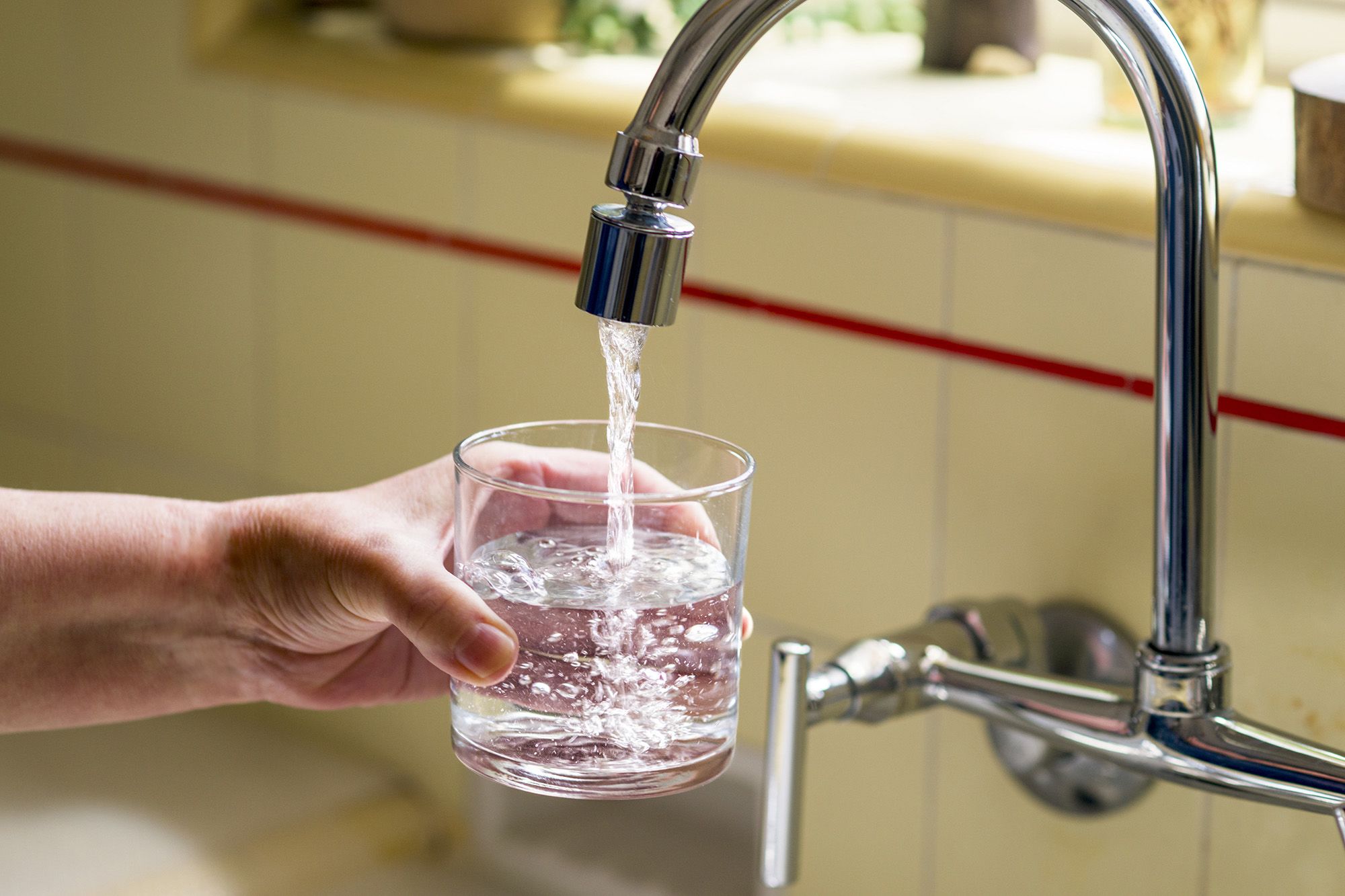
Why Does My Water Taste Like Plastic? Find Out Why
Clean drinking water should be fresh, odor-free, and pleasant to drink. If you’ve recently noticed an unusual plastic-like taste in your tap water, you’re probably asking yourself, “Why does my water taste like plastic?” While the problem can be concerning, it is often caused by identifiable factors that can be addressed with the right solution.
A plastic taste in water may originate from your home’s plumbing, a new water bottle, recently installed pipes, your water heater, or even your local water supply. Understanding the possible causes can help you determine whether the issue is temporary or requires professional attention.
Why Does My Water Taste Like Plastic?
If you’re wondering, “Why does my water taste like plastic?”, there are several possible explanations. In many cases, the problem is not dangerous, but it should still be investigated to ensure your water remains safe and enjoyable to drink.
The taste can result from chemicals leaching into the water, changes in water temperature, aging plumbing materials, or contamination from certain household products. Identifying the source is the first step toward resolving the issue.
New Plastic Plumbing Pipes
One of the most common reasons water develops a plastic taste is recently installed plumbing.
Many modern plumbing systems use plastic materials such as PEX or CPVC pipes. While these materials are safe when certified for drinking water, newly installed pipes may temporarily release small amounts of compounds that affect the taste.
This situation often improves after the plumbing system has been flushed several times over the course of a few days or weeks.
New Water Bottles or Storage Containers
If the plastic taste occurs only when drinking from reusable bottles or water storage containers, the container itself may be responsible.
New plastic bottles sometimes release trace compounds into the water, particularly if exposed to heat or direct sunlight.
To reduce the taste:
- Wash new bottles thoroughly before use.
- Avoid leaving bottles in hot vehicles.
- Replace worn or damaged containers.
- Choose BPA-free, food-grade bottles.
Hot Water Heater Issues
If the unusual taste appears only when using hot water, your water heater may be contributing to the problem.
Sediment buildup, deteriorating internal components, or aging plastic parts can sometimes affect water quality. Regular maintenance and periodic flushing of the water heater can help improve both performance and taste.
If the taste persists, a professional inspection may be necessary.
Plastic Supply Lines
Many household appliances, including refrigerators, dishwashers, and water dispensers, use flexible plastic water supply lines.
Over time, these lines may begin affecting the taste of water, especially if they are older or exposed to excessive heat.
Replacing aging supply lines with certified drinking-water-safe materials can often resolve the issue.
Chemical Contamination
In some cases, the question “Why does my water taste like plastic?” may be related to chemical contamination.
Certain organic compounds, industrial chemicals, or accidental contamination events can produce unusual tastes or odors in drinking water.
If multiple neighbors notice the same problem or if the taste appears suddenly throughout your home, contact your local water utility to determine whether any water quality issues have been reported.
Low Water Usage
Water that sits in household plumbing for extended periods may absorb tastes from pipe materials.
This commonly occurs:
- After vacations.
- In guest bathrooms.
- In seasonal homes.
- In unused plumbing fixtures.
Running cold water for several minutes before drinking often eliminates stagnant water and improves taste.
Water Filter Problems
Water filters improve drinking water quality, but neglected filters can eventually cause unpleasant tastes instead of removing them.
Replace filter cartridges according to the manufacturer’s recommendations. Old filters can accumulate contaminants and reduce filtration effectiveness.
If you recently installed a new filter, flushing it thoroughly according to the instructions may remove temporary manufacturing residues.
Municipal Water Treatment Changes
Occasionally, local water treatment facilities adjust disinfectants or treatment methods.
These temporary changes may alter the taste of tap water without affecting its safety.
Your local water provider can usually explain recent treatment changes if you notice a widespread difference in taste.
How to Determine the Source
To identify why your water tastes like plastic, perform a few simple checks.
Test Cold and Hot Water
Compare cold and hot tap water.
If only hot water has the unusual taste, your water heater may be responsible.
Try Different Faucets
Check water from multiple sinks throughout your home.
If only one faucet is affected, the issue may be isolated to that fixture or plumbing line.
Taste Bottled Water
Compare bottled water with your tap water.
If only tap water tastes unusual, your home’s plumbing or municipal supply may be contributing to the problem.
Ask Your Neighbors
If nearby households notice the same issue, the cause may involve the local water supply rather than your home’s plumbing.
Is Plastic-Tasting Water Safe?
In many situations, a mild plastic taste is not considered an immediate health risk. New plumbing materials and food-grade plastic containers often produce temporary taste changes that diminish over time.
However, you should investigate further if the water also has:
- Strong chemical odors.
- Cloudy appearance.
- Oily residue.
- Unusual colors.
- Metallic taste.
- Persistent bad taste lasting several weeks.
If these symptoms occur, consider having your water professionally tested.
How to Improve Water Taste
If you’re still asking, “Why does my water taste like plastic?”, these practical steps may help improve the flavor.
Flush Your Plumbing
Run cold water for several minutes, especially after periods of low water use.
Replace Old Filters
Install fresh water filter cartridges according to the recommended maintenance schedule.
Clean Reusable Bottles
Wash bottles regularly with warm water and mild soap to remove residues that affect taste.
Keep Plastic Containers Cool
Avoid storing bottled water or reusable containers in hot environments.
Maintain Your Water Heater
Schedule routine inspections and flush sediment from the tank periodically.
Install a Quality Water Filter
Activated carbon filtration systems can help remove many compounds that contribute to unpleasant tastes and odors.
When to Call a Professional
Professional plumbing or water quality assistance may be necessary if:
- The taste continues for several weeks.
- Only certain fixtures are affected.
- Plumbing is leaking.
- Water appears discolored.
- Chemical odors accompany the taste.
- Water quality concerns affect multiple household members.
A licensed plumber can inspect your plumbing system, while certified water testing laboratories can identify potential contaminants.
Preventing Future Water Taste Problems
Maintaining your plumbing system can help prevent unpleasant water tastes.
Helpful practices include:
- Replace aging plumbing components.
- Change water filters regularly.
- Flush plumbing after extended absences.
- Schedule water heater maintenance.
- Use certified drinking-water-safe plumbing materials.
- Store drinking water properly.
These simple maintenance habits can improve both water quality and the lifespan of your plumbing system.
Conclusion
If you’ve been wondering, “Why does my water taste like plastic?”, the answer often involves new plumbing materials, reusable bottles, water heaters, supply lines, or temporary changes in your local water supply. In many cases, the issue is temporary and can be resolved through flushing the system, replacing filters, or performing routine maintenance.
However, if the taste persists, worsens, or is accompanied by unusual odors or discoloration, professional plumbing inspection or water testing is recommended. Understanding why does my water taste like plastic? allows you to identify the source of the problem, protect your drinking water quality, and enjoy fresh, clean water with confidence.