Wardrobe Closet Ideas: Design, Style & Storage Tips
Why Every Bedroom Needs a Wardrobe Closet
A cluttered bedroom often starts with one missing piece: proper storage. A wardrobe closet solves this problem by giving clothes, shoes, and accessories a dedicated home instead of scattering them across chairs and floors. Unlike a simple dresser, it combines hanging space, shelving, and drawers into one cohesive system.
This makes mornings faster and rooms feel calmer. When everything has a place, decision fatigue drops and the room instantly looks more put together. Homeowners renting apartments or living in older houses without built-in closets find this solution especially valuable.
Beyond function, a wardrobe closet also adds visual character to a room. It can act as a design centerpiece rather than an afterthought, blending seamlessly with existing furniture and wall color while still standing out as a statement piece.
Understanding the Basic Structure
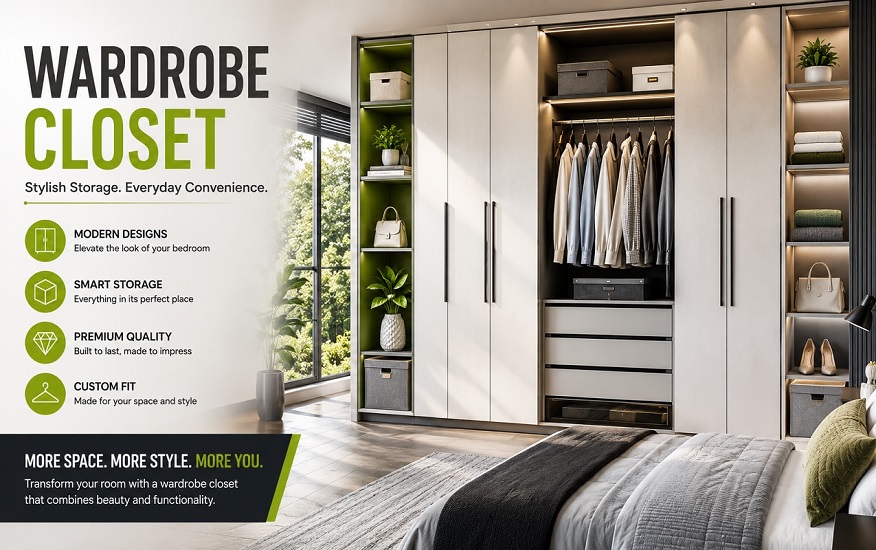
At its core, a wardrobe closet consists of a frame, doors, and internal components like rods and shelves. The frame determines overall durability, while the internal layout dictates how efficiently the space gets used. Getting these fundamentals right matters more than any decorative feature.
Doors come in several styles: sliding, hinged, or open-front. Sliding doors work well in tight spaces since they don’t swing outward, while hinged doors offer full access to the interior at once. Open-front designs skip doors entirely, favoring accessibility and a more contemporary look.
Internally, most systems mix hanging rods for long garments with adjustable shelving for folded items. Drawers handle smaller accessories like jewelry or ties. The best layouts balance all three so no single storage type becomes overloaded or underused.
Choosing the Right Size and Placement
Size decisions depend heavily on room dimensions and how much clothing needs storing. A compact bedroom might only support a slim, floor-to-ceiling unit, while larger primary suites can accommodate walk-in-style configurations along an entire wall.
Placement matters just as much as size. Positioning a wardrobe closet against an underused wall, such as behind a door swing or in an awkward corner, reclaims space that would otherwise sit empty. This approach works particularly well in rental units where structural changes aren’t allowed.
Vertical space often gets overlooked. Extending storage toward the ceiling, even with rarely used items stored up top, maximizes every inch without expanding the unit’s footprint. This vertical strategy suits smaller rooms that can’t afford to lose floor space.
Material and Finish Considerations
Material choice affects both longevity and aesthetics. Solid wood options bring warmth and durability but come with a higher price tag. Engineered wood panels offer a budget-friendly middle ground, mimicking natural finishes while resisting warping better than raw wood in humid climates.
Finishes range from matte and glossy laminates to textured surfaces inspired by natural materials like stone or fabric. A glossy finish reflects light and can make small rooms feel larger, while matte tones create a calmer, more understated appearance.
Hardware details, including handles, knobs, and hinges, tie the whole design together. Choosing finishes that match existing bedroom fixtures, such as lighting or door handles, creates a more cohesive look rather than an isolated furniture piece.
Maximizing Interior Organization
Interior organization separates an average storage unit from a genuinely useful one. Adjustable shelving allows the layout to evolve as clothing needs change over time, whether that means more folded sweaters in winter or extra hanging space for summer dresses.
Specialty inserts add another layer of function. Pull-out baskets, tie racks, and jewelry drawers keep smaller items from becoming a tangled mess at the bottom of a drawer. These additions cost relatively little but significantly improve daily usability.
Lighting inside the unit, often overlooked, makes a noticeable difference too. LED strips or small puck lights help locate items quickly, especially in units without natural light nearby. This small upgrade turns a functional closet into a more premium, boutique-style experience.
Wardrobe Closet Styles for Different Budgets
Not every household needs the same level of customization. Entry-level systems focus on simple, modular designs that still deliver strong storage capacity without elaborate finishes or hardware upgrades. These suit renters or first-time buyers testing out organizational systems.
Mid-range options introduce softer edges, more finish choices, and additional accessories like molding or accent panels. This tier appeals to homeowners wanting a step above basic functionality without committing to premium pricing.
At the higher end, premium wardrobe closet designs use thicker panels, inset doors, and luxury textures inspired by natural materials. These systems prioritize long-term durability and a polished aesthetic, often becoming a lasting feature rather than a temporary storage fix.
Small-Space Solutions That Actually Work
Compact bedrooms present unique challenges, but a well-planned wardrobe closet can still deliver substantial storage. Slim, floor-to-ceiling units placed along a single wall often out-perform wider, shorter alternatives in terms of usable capacity per square foot.
Sliding doors save valuable floor clearance compared to hinged alternatives, making them ideal for rooms where furniture already sits close to the closet area. This small design choice prevents daily bumps and awkward navigation around open doors.
Multi-functional furniture pairings also help. Combining a slim wardrobe closet with a fold-down desk or built-in seating stretches the room’s usefulness beyond just clothing storage, turning a single wall into a multipurpose zone.
Maintaining Your Wardrobe Closet Long-Term
Regular maintenance keeps any storage system functioning well for years. Wiping down surfaces monthly prevents dust buildup on shelves and inside drawers, particularly in units with glossy or textured finishes that show marks easily.
Checking hardware periodically, including hinges, rod brackets, and drawer slides, catches minor wear before it becomes a bigger repair issue. Tightening loose screws early extends the lifespan of the entire unit significantly.
Seasonal rotation of stored items also helps maintain organization. Swapping out-of-season clothing to higher or lower shelves keeps frequently used items within easy reach, preventing the gradual clutter that builds when everything stays in one fixed spot year-round.
Making the Investment Worthwhile
A wardrobe closet represents a meaningful investment in daily comfort and long-term home value. Buyers and renters alike notice organized, well-designed storage spaces, making this upgrade appealing whether the goal is personal use or future resale appeal.
Working with a designer, rather than guessing measurements alone, often prevents costly mistakes. Professional input ensures the layout matches actual clothing volume and room dimensions, avoiding wasted space or overcrowded sections down the line. Ultimately, the right combination of size, material, and interior organization transforms an ordinary bedroom corner into a functional, attractive centerpiece. Taking time to plan each element pays off in daily convenience for years to come.